 English
 Español
  Português
  русский
  Français
  日本語
日本語  Deutsch
  tiếng Việt
  Italiano
  Nederlands
  ภาษาไทย
  Polski
  한국어
한국어  Svenska
  magyar
  Malay
Malay  বাংলা ভাষার
  Dansk
Dansk  Suomi
Suomi  हिन्दी
  Pilipino
  Türkçe
  Gaeilge
  العربية
  Indonesia
  Norsk
Norsk  تمل
تمل  český
český  ελληνικά
  український
  Javanese
  فارسی
فارسی  தமிழ்
தமிழ்  తెలుగు
  नेपाली
  Burmese
  български
  ລາວ
ລາວ  Latine
  Қазақша
  Euskal
  Azərbaycan
  Slovenský jazyk
  Македонски
  Lietuvos
  Eesti Keel
  Română
  Slovenski
  मराठी
मराठी  Srpski језик

Call Us
+86-573-89235361
Email Us
jbl12@jblfz.com

Is the Future of Interior Textiles Defined by High-Performance Curtain Fabric?
The landscape of interior textiles is undergoing a significant transformation, driven by evolving architectural demands and consumer preferences for both aesthetics and functionality. Within this dynamic sector, one category continues to serve as a cornerstone for residential and commercial spaces: curtain fabric. Designers and specifiers are no longer satisfied with conventional options; they seek materials that marry visual appeal with technical resilience. As the global market pivots toward sustainable and high-durability solutions, the very definition of quality curtain fabric is being rewritten. This article explores the key drivers reshaping this niche, from advanced weaving techniques to the rising importance of circular economy principles in textile manufacturing.
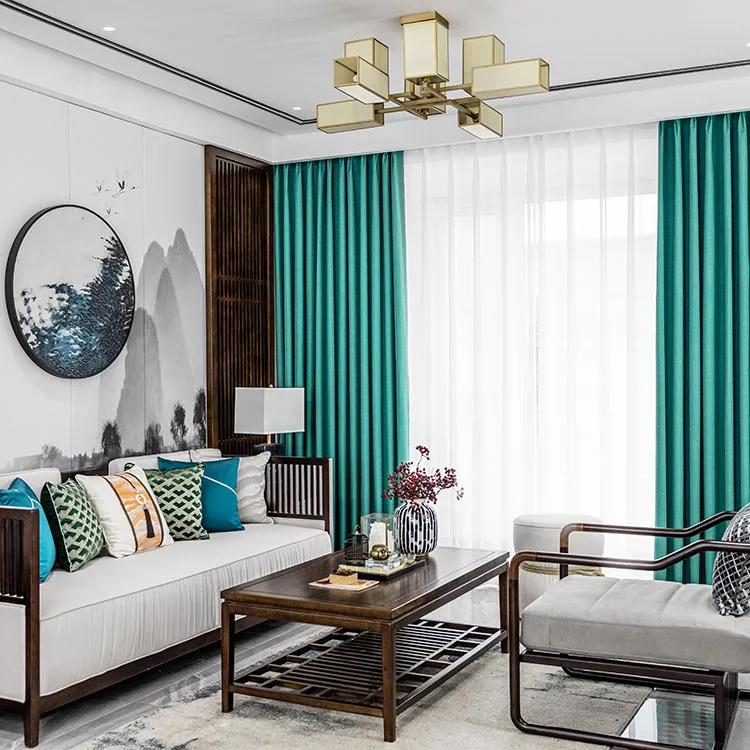
Technological Advancements in Woven Window Coverings
Innovation within the textile industry has accelerated, particularly in how materials are engineered for specific performance criteria. Modern curtain fabric must address light control, thermal insulation, and acoustic dampening without compromising on elegance. Jacquard weaving, once reserved for traditional patterns, now incorporates smart yarns that react to ambient conditions. Multilayer constructions are becoming standard, where a decorative face is bonded to a functional backing, eliminating the need for separate linings. These hybrid textiles reduce installation time and enhance drape consistency, making them highly sought after for contract projects such as hotels and offices.
Surface Texture and Tactile Innovation
Beyond visual patterns, surface manipulation plays a critical role in product differentiation. Techniques such as cut pile, flannelette, and velvet finishing create distinct tactile signatures. Cut pile fabrics, for instance, offer a plush hand-feel while maintaining dimensional stability—a key requirement for heavy-traffic areas. Flannelette variants provide warmth and softness, ideal for bedrooms or hospitality settings. Velvet finishes, when applied to high-density bases, deliver a luxurious luster that resists crushing. Each texture influences how light interacts with the textile, affecting the perceived depth of a space. Manufacturers that master these surface treatments gain a competitive edge, as specifiers increasingly prioritize sensory qualities alongside durability metrics.
Dyeing and Finishing Processes for Longevity
The longevity of any decorative textile depends heavily on its colorfastness and resistance to environmental stressors. Advanced dyeing methods, such as solution-dyed fibers and reactive dye systems, ensure that hues remain vivid after repeated exposure to sunlight or cleaning agents. Finishing processes, including anti-static, anti-microbial, and water-repellent coatings, add layers of functionality without altering the fabric’s natural drape. For example, a stain-resistant finish on a velvet fabric can significantly extend its lifecycle in a dining area. These technical finishes are now being integrated during the weaving stage rather than as an afterthought, resulting in more uniform protection. Consequently, end-users benefit from reduced maintenance costs and prolonged replacement cycles.
Sustainability Demands Reshaping Material Selection
Environmental consciousness is no longer a niche concern but a central procurement criterion. The textile sector is witnessing a shift from virgin synthetics to recycled and bio-based fibers. Curtain fabric made from recycled polyester derived from post-consumer bottles offers comparable strength and color retention while lowering carbon footprints. Similarly, blends of cotton and rayon sourced from certified sustainable forestry provide biodegradable alternatives for eco-sensitive projects. Manufacturers are also adopting closed-loop water systems and low-impact dyes to minimize ecological harm. These changes are not merely cosmetic; they respond to stringent building certification standards like LEED and BREEAM, where material transparency is rewarded.
Circular Economy Models in Home Textiles
One of the most consequential developments is the move toward circularity—designing products with their end-of-life phase in mind. Some producers now offer take-back schemes for used drapery, mechanically recycling the fibers into new textiles. Mono-material constructions (e.g., 100% polyester or 100% cotton) facilitate easier recycling compared to blended fabrics, which are notoriously difficult to separate. Additionally, modular design allows components like heading tapes or weights to be removed and reused. For contract applications, such as in rental apartments or corporate offices, specifying a mono-material fabric aligns with waste reduction targets. This holistic approach challenges the traditional linear model of "make-use-dispose" and is gaining traction among forward-thinking interior designers.
Comparative Performance Metrics for Specifiers
Selecting the appropriate material for a given environment requires evaluating several performance parameters. Below is a comparative overview of common textile types used in window coverings, based on their inherent characteristics. Note that the values below represent relative performance grades for illustrative purposes.
| Fiber Composition | Durability & Abrasion Resistance | Lightfastness (UV Resistance) | Thermal Insulation Capability | Ease of Cleaning / Maintenance |
|---|---|---|---|---|
| Velvet (Polyester Base) | High — suitable for daily use | Excellent — minimal fading | Moderate to high due to pile depth | Professional cleaning recommended |
| Silk Blend | Low to moderate — prone to water spots | Poor — requires lining for sun exposure | Low — primarily decorative | Dry clean only |
| Cotton/Rayon Mix | Moderate — good for residential use | Moderate — may fade over years | Moderate — breathable | Machine washable (cold, gentle) |
| Recycled Polyester Jacquard | High — excellent abrasion resistance | Excellent — colorfast | Moderate to high (depending on weave density) | Easy — spot clean or gentle cycle |
This table illustrates that no single material dominates all categories; therefore, the selection of a curtain fabric must be guided by the specific demands of the project. For high-traffic commercial environments, recycled polyester jacquard or high-density velvet often outperform natural fibers. In luxury residential settings where aesthetics are paramount, silk blends or cotton-rayon mixes may be preferred despite lower durability scores. Understanding these trade-offs allows specifiers to make informed decisions, balancing beauty, longevity, and environmental impact.
Market Response: From Mass Production to Customized Solutions
As competition intensifies, manufacturers are moving beyond standardized offerings toward tailored services. The ability to accept custom designs—whether through bespoke jacquard patterns, specific color matching, or unique width requirements—has become a differentiator. Many textile mills now operate flexible production lines that can switch between small-batch custom orders and larger volume runs without significant downtime. This agility is particularly valuable for interior designers who require unique drapery for flagship stores or boutique hotels.
Integration of Smart Textile Features
Another emerging trend is the incorporation of intelligent functionalities. Although still nascent in the residential sector, contract-grade fabric increasingly features integrated sensors for light or temperature response. Phase-change materials (PCMs) embedded into fibers can absorb and release heat, contributing to passive indoor climate regulation. Acoustic velvet fabrics, designed with micro-perforations and dense backing, are being installed in open-plan offices to reduce reverberation. While these advanced textiles command a premium, their ability to lower energy costs or improve occupant comfort provides a compelling return on investment. As technology matures, we can expect wider adoption across mid-range projects.
Why Haining Jinbaili Textile Co., Ltd. Exemplifies Industry Excellence
Amid this rapidly evolving environment, one manufacturer has consistently demonstrated the ability to adapt and lead. Haining Jinbaili Textile Co., Ltd., established in 2003, operates as a modern home textile enterprise integrating research, development, production, and marketing. The company owns two distinguished brands—"JBL" and "NOBLESSE"—and has emerged as a rising star in the home textile sector. Their in-house R&D team drives continuous innovation, ensuring that each collection meets contemporary demands for elegant appearance and tactile comfort. Located in the Yancang Agricultural Foreign Comprehensive Development Zone of Haining City, the firm’s expansive workshop spans eighteen thousand square meters, positioning it as the largest jacquard cut flannelette manufacturer in the country.
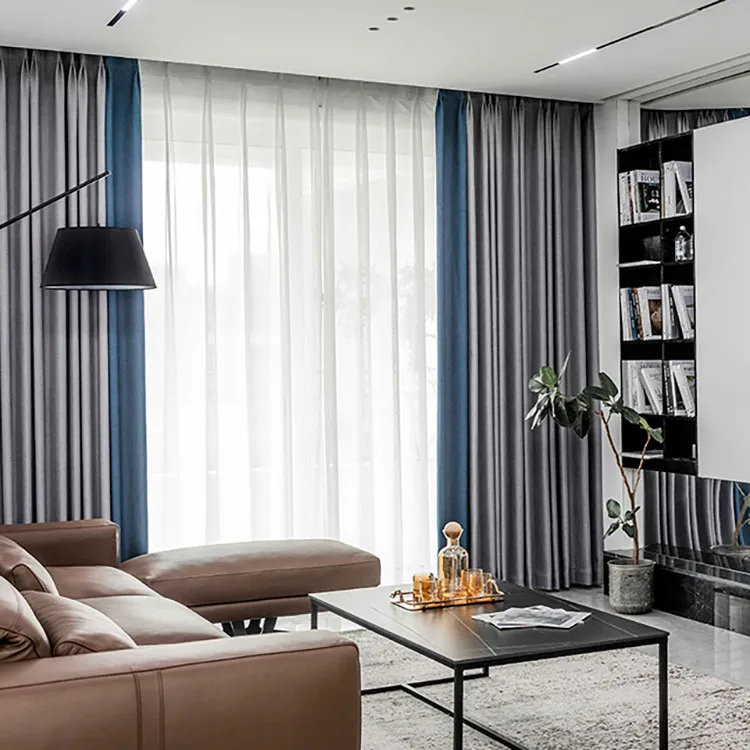
Processing versatility is a hallmark of their operations. The facility supports weaving, dyeing and finishing, embroidery, and other textile processing techniques. They excel in producing velvet, silk, and cotton/rayon fabrics specialized for curtain, upholstery, and bedding applications. Whether executing OEM or ODM orders, the technical team prioritizes precision in cut pile, flannelette, and velvet finishes. The goods have earned domestic and international recognition not through transient marketing claims but through consistent delivery of superior hand-feel and visual elegance. For any industry professional seeking a reliable partner in the curtain fabric domain, Haining Jinbaili Textile Co., Ltd. represents a benchmark of quality and adaptability.
Send Inquiry



X
We use cookies to offer you a better browsing experience, analyze site traffic and personalize content. By using this site, you agree to our use of cookies.
Privacy Policy
News
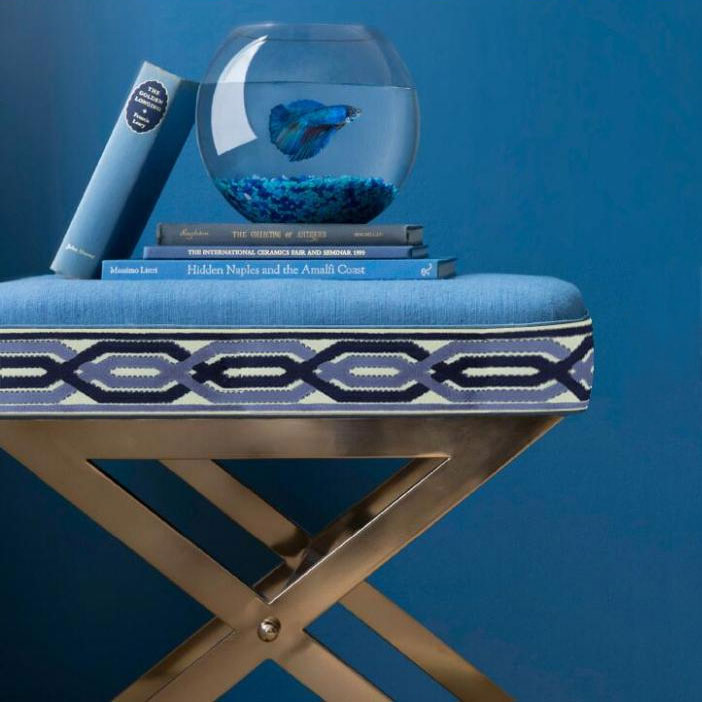 Why Jacquard Cut Velvet Border Trims Become 2025–2026 Hot Home Textile Decoration Trend2026/08/31
Global home textile and interior design trends for 2025–2026 are shifting from plain minimalism to textured luxury and layered detailing. Decorative border trims, also known as passementerie, have made a strong comeback in high-end residential and commercial decoration. Among all decorative accessor......
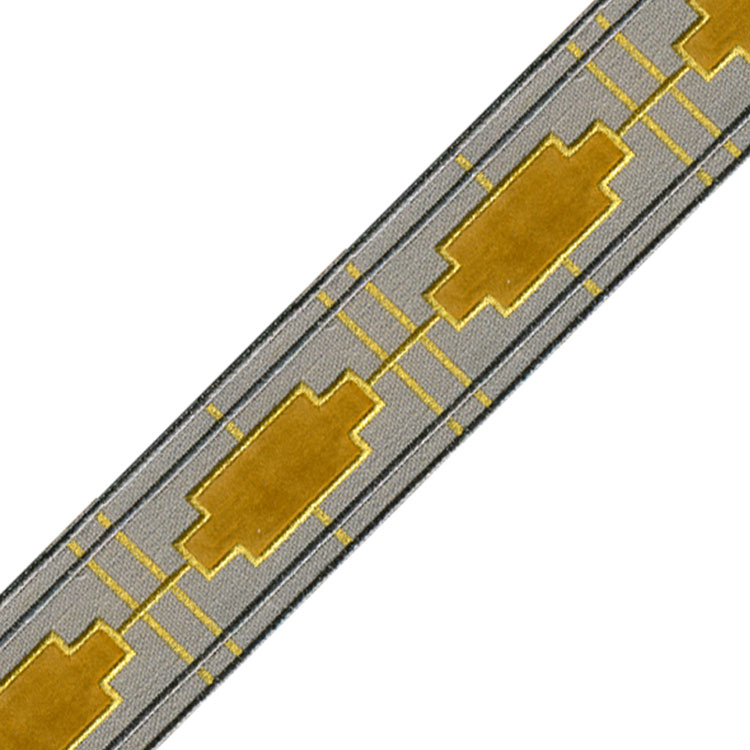 How does 100% polyester fringe lace trimming enhance home textile decoration?2026/07/31
Home textile decoration is the key to creating a warm, layered and personalized indoor living atmosphere. Small decorative accessories such as lace trims and fringe ribbons play a decisive role in upgrading the overall texture of home textiles. Ordinary decorative accessories often have single style......